
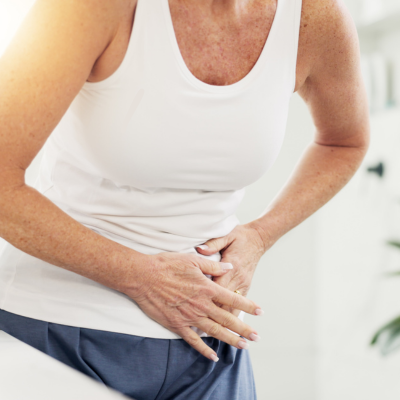
It is a surprise to most that the health of your digestion and the strength and coordination of your pelvic floor muscles are closely connected. If you have bloating, constipation, diarrhea and any other combination of gas-related discomfort — and you also experience pelvic pain, urinary urgency or bowel dysfunction — the two could be related.
At Shoppers World Physiotherapy, we see time and again the value of addressing both the gut and the pelvic floor for long-term relief.
How Gut Health Affects the Pelvic Floor
Your gut and your pelvic floor are next-door neighbours, and they share nerves, muscles and pressure systems. The pelvic floor frequently reacts when the digestive system is upset or inflamed.
Chronic constipation places demands on the pelvic floor.
Straining in the toilet adds pressure on the pelvic organs, which may result in:
- Pelvic floor tightness
- Hemorrhoids
- Rectocele or prolapse
- Incomplete emptying
Eventually, the pelvic floor becomes overworked and ceases to function effectively.
2. Diarrhea irritates the pelvic nerves
Slow bowel and frequent diarrhea may sensitize the nerves around the rectum and pelvis. This may trigger:
- urgency
- leakage
- burning or pelvic discomfort
- muscle guarding (tightening)
3. Bloating affects pelvic positioning
Substantial bloating forces the intestines to press down, stressing the pelvic floor. This can contribute to:
- pelvic heaviness
- lower back or hip discomfort
- challenges in coordinating the core muscles of the abdomen and pelvis.
4. Gut inflammation can cause pelvic pain
Conditions such as IBS, Crohn’s disease, and ulcerative colitis can increase inflammation, which can increase the sensitivity of the pelvic floor muscles. Many people experience:
- deep pelvic aches
- pain with sitting
- abdominal cramping
- painful bowel movements
How IBS Specifically Impacts Pelvic Floor Function
Symptoms of IBS, like constipation, diarrhea, gas, bloating and cramping, keep your muscles in a constant cycle of tension and irritation of the nerves.
Many IBS patients develop Pelvic Floor Dyssynergia, in which the muscles don’t relax when they should. This leads to:
- constipation despite pushing
- incomplete bowel movements
- difficulty emptying
- pelvic spasms
- tailbone pain
The gut and the pelvic floor can become “stuck” in a cycle of dysfunction.
Signs Your Gut & Pelvic Floor Are Connected
If you have these combined symptoms, you may have a gut–pelvic problem.
- Constipation or frequent diarrhea
- Bloating after meals
- Straining or incomplete bowel movements
- Urgency or leakage
- Pelvic pressure or heaviness
- Pain during bowel movements
- Lower abdominal or pelvic pain
If a number of these ring true, pelvic physiotherapy can be one place to turn.
How Pelvic Floor Physiotherapy Helps
We, as pelvic health physiotherapists, decide if your pelvic floor is:
too tight
too weak
not coordinating properly
We then create a custom treatment plan, which can involve:
- Manual therapy
Let’s get rid of some of the abdominal wall, diaphragm, and pelvic floor muscles. - Breathing + nervous system reeducation
Enhances gut mobility and reduces pelvic muscle guarding. - Constipation positioning strategies
Assists in evacuating with less effort. - Relaxation or strengthening of the pelvic floor
We retrain muscle function, depending on your pattern. - Visceral mobility techniques
Hands-on tools for enhancing organ mobility and reducing bloating or cramping. - Lifestyle/gut-friendly habit coaching
Little daily adjustments can help prevent flare-ups.
Physical therapy is an incredibly effective treatment because it targets the mechanical, muscular, and neurological factors contributing to IBS and other pelvic floor disorders.
Simple Changes You Can Try Today
Here are easy, evidence-based strategies:
- A footstool (something like a Squatty Potty) can help relax the pelvic floor muscles.
- Stay hydrated — dehydration can make IBS symptoms worse
- Gradually add fibre, never at once
- Practice diaphragmatic breathing to settle the gut
- Don’t strain -It teaches the pelvic floor to contract, not relax
- Keep a diary of your trigger foods to recognize patterns
These tactics may help, but they’re most effective when combined with expert pelvic care.
When to See a Pelvic Health Physiotherapist
If you’ve been treating IBS or gut problems, but you’re still battling with:
- constipation
- pelvic pain
- bloating that never improves
- difficulty emptying bowels
- urinary frequency or urgency
- pain with intercourse
- chronic abdominal tightness
You might have some pelvic floor stuff.
At Shoppers World Physiotherapy, we have unique expertise in treating this dual condition.
Ready to Support Your Gut & Pelvic Health?
You do not have to journey through IBS or pelvic pain alone. Our pelvic floor physiotherapists can identify the source and provide a treatment plan for a permanent solution.
Call to book today at Shoppers World Physiotherapy.
Your pelvic and gut health are fundamentally tied together — by healing one, you can transform the other.